What the Howard Beach reports found
Lou’s two summaries flagged 23 items Repair or Replace, most for the exterior (7), roof, chimney and attic (5) and garage (4). Each report, newest first, as Lou wrote it up.
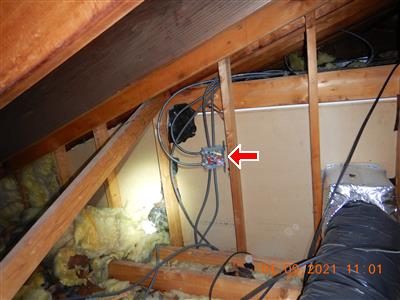
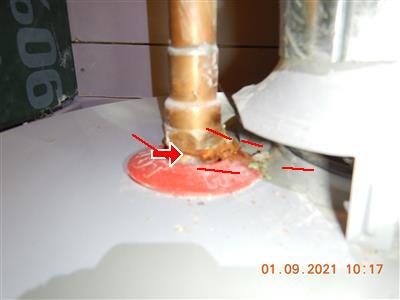
2021, a high ranch, about 55 years old: 11 items flagged: 4 garage; 3 exterior; 2 roof, chimney and attic. As recorded: gable and hip roof, architectural and asphalt/fiberglass, seen from: walked roof, framed with 2 x 8 rafters; attic: attic hatch, fiberglass, below and r-19 insulation, gable vents, soffit vents and passive ventilation; brick and cement stucco full brick and eifs siding, chimney: metal flue pipe and PVC; poured concrete slab foundation, supporting walls; insulated ducts, 40 gallon (1-2 people) gas (quick recovery) water heater (utility room, 1st floor); 150-amp and 70-amp circuit breakers (General Electric # Tm2410ccu and Eaton # Br303b150), BX wiring, copper supply pipes, public water, air conditioner unit; double-hung and thermal/insulated windows, carpet and tile floors. Flagged, in Lou’s words: “Water is cascading over front roof during heavy rain with one downspout front and rear”; “Down spouts and leader pipe needed left front and right front”; “Leader pipe near front and side entrances should go over brick retaining wall”; “Garage leader pipe needs splash block”; “Garage attic storm window left open”; “Rotted wood nailed to brickwork to left of front entrance”; “Right rear side door hits frame”; “Right front side door hits frame and has rust damage at bottom”; “Right rear sidewalk has trip hazard”; “Front sidewalk has trip hazard”; “Hole needs to be filled around A/C refrigerant pipes”; “Safety Item: Diamond plate steel covering trap pit, is badly rusted and edges sharp”; “Wood frame to right of garage door paint is peeling and cracked”; “Safety Item: Not safety cables in garage door lift springs”; “Shingle on garage roof raised from wind storm”; “In garage, back of doctors office wall sheetrock missing”; “Safety Item: No railing present to garage attic steps”. Also noted: “Roof is approx.15 years old with one layer”; “Construction debris and planking left at rear and side of garage”; “Flush control rod is broken”; “Toilet tank is cracked left rear but not leaking”; “Safety Item: Outlet is not GFCi protected and cover missing”; “Filters are over a year old on all units”; “Attic evap does have drip pan emergency float switch”. On the day: 32°F, clear, frozen ground, no rain in the three days before; the house faces east. Not inspected that day: floors; insulation under floor system. Not present in this house: gas/lp firelogs and fireplaces; solid fuel heating devices; sump pump; vapor retarders; ventilation fans and thermostatic controls.
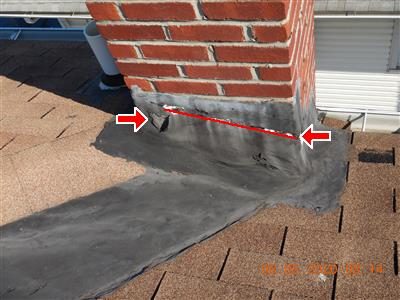
2020, a colonial, about 87 years old: 12 items flagged: 4 exterior; 3 roof, chimney and attic; 3 kitchen. As recorded: hip roof, 3-tab fiberglass and asphalt/fiberglass, seen from: walked, framed with 2 x 8 rafters and 2 x 10 rafters; attic: storage and light in attic, fiberglass, below and r-19 insulation, soffit vents, passive and thermostatically controlled fan ventilation; clapboard vinyl siding, chimney: brick; poured concrete foundation, 2 x 6, 3 x 8 and planking sub floor floor framing, steel lally columns and supporting walls; electric heat heat on natural gas, 50 gallon (2-3 people) gas (quick recovery) water heater (basement and utility room); 100-amp circuit breakers (General Electric and Eaton), BX wiring, copper supply pipes, public water; double-hung, thermal/insulated and awning windows, hardwood t&g, soil and concrete floors, laminate cabinets, laminate counters. Flagged, in Lou’s words: “Shingle cap missing at rear center ridge”; “Shingle cap missing ridge right rear”; “Shingle missing at base of chimney”; “Gutter leaking at left front corner”; “Left rear leader empties into flower bed next to foundation”; “Must be piped away from foundation”; “Needs pads on step stringer bottoms to prevent damage to hardwood floor”; “On rear deck vinyl siding bottom section is off”; “Siding end channel is missing from right side of door”; “Front brick stoop left side cheek wall is out of plumb and pushing to left”; “Rear deck ramp missing board”; “Decking boards and hand rails need to be painted”; “Broken baluster on deck ramp”; “Rear deck retractable awning does not operate, hand crank missing and cover fabric is worn”; “Floor is worn out and damaged”; “Vinyl dryer piping is a fire safety hazard”; “Door to entrance needs door knob installed”; “Ceilings cracked in front and rear bedrooms”; “Most likely from downward pressure of vertical roof supports”; “Front bedroom door hits floor”. Also noted: “Outlet next to radiator is loose and cover not installed”; “Basement ceiling has been removed in utility and rear rooms”; “Safety Item: Fire resident sheetrock needed over boiler and water heater”; “No insulation under floor system”; “Rear basement room, sheetrock and insulation have been removed”; “Basement rear bedroom wood floor is partially removed, exposing soil floor”; “Steps to second floor needs railing at lower section”; “Outlets in basement rooms are rusted and may have water damage”; “Cover missing from attic light switch, second floor landing”; “Main panel In garage, right front corner”; “Sub panel in front bedroom closet”; “No heat source in bathroom”. On the day: 87°F, hot and humid, damp ground, rain in the three days before; the house faces west. Not present in this house: clothes dryer; clothes washer; cooling and air handler equipment; food waste disposer; gas/lp firelogs and fireplaces; insulation under floor system; microwave cooking equipment; normal operating controls; occupant door from garage to inside home; presence of installed cooling source in each room; solid fuel heating devices; trash compactor; vapor retarders.
“Flagged” is HomeGauge’s Repair or Replace mark, not a verdict on the house. See a complete report.
Related: The Queens page · What an inspection costs · Schedule an inspection.