Westchester home inspections: the ground here is not Long Island
Lou works up here regularly, and the honest summary is that the house above ground is often familiar while everything below it is not.
Both matter more than anything cosmetic you will look at on the day, and New York's standards do not require an inspector to evaluate either one. A septic inspection is its own job and water testing goes to a laboratory. Lou will note what is visible and the evidence around it, and the report will say plainly where his scope ended.
The EPA's radon zone map puts Westchester in the same zone as New York City, Nassau and Suffolk — the lowest of the three. That map was drawn in 1993, it is county-wide, and the EPA's own instruction is that it “should not be used to determine if individual homes need to be tested”.
More recent data points the other way. New York State Homes and Community Renewal requires passive radon mitigation in Westchester and does not require it in Nassau or Suffolk. State health department testing has found roughly one basement in six here above the EPA action level. Northern Westchester sits on the same granite as Putnam next door, which is in the highest zone.
So: test. The kit is inexpensive, and a county-wide map drawn in 1993 is not an answer for your address. Here is what the State's own testing found, county by county and town by town.
Buying in Westchester?
Different ground, different rules, and different questions to ask.
Not sure yet? Read what New York requires of your inspector or see a real report.
Photographs from real inspections

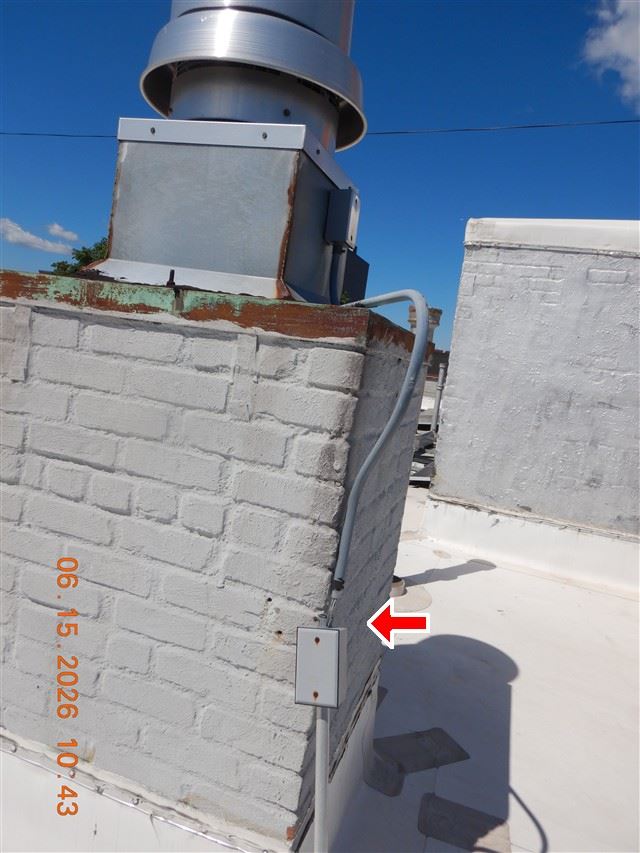
Real photographs from Lou's own inspections, chosen because they show a building component and nothing that identifies a property or an owner.
- Levittown & MassapequaLevitt-era slabs and expansion attics
- Long Beach & Island ParkFlood zone, elevation and drainage
- Garden City & Rockville CentrePre-war houses and original systems
- Huntington & NorthportSeptic, well and north shore grades
- Queens co-ops & condosShared systems and board access
- Brooklyn brownstonesCentury-old party walls and cellars
- Manhattan co-ops & condosBoard packages, risers and what you never own
- WestchesterOlder housing stock, larger lots
- Town by town26 towns and neighbourhoods, with the real counts
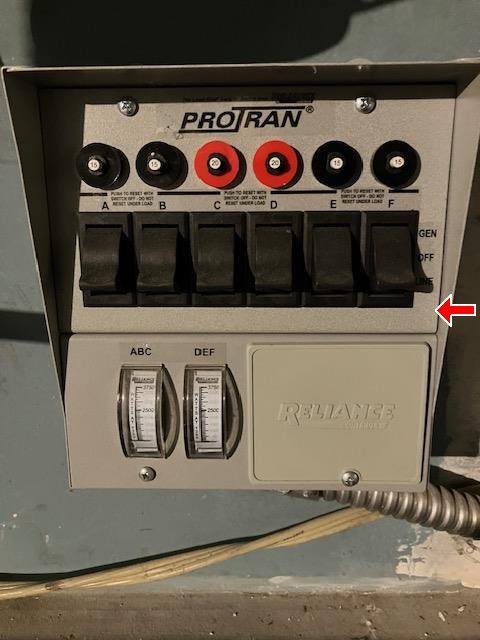
Why this matters — the electrical panel
An inspector removes the readily accessible panel covers because New York requires it — most of what matters in a panel is invisible with the cover on. Double-tapped breakers, mixed wire eras and scorched connections are all findings that only appear with the cover off. Why the covers come off.
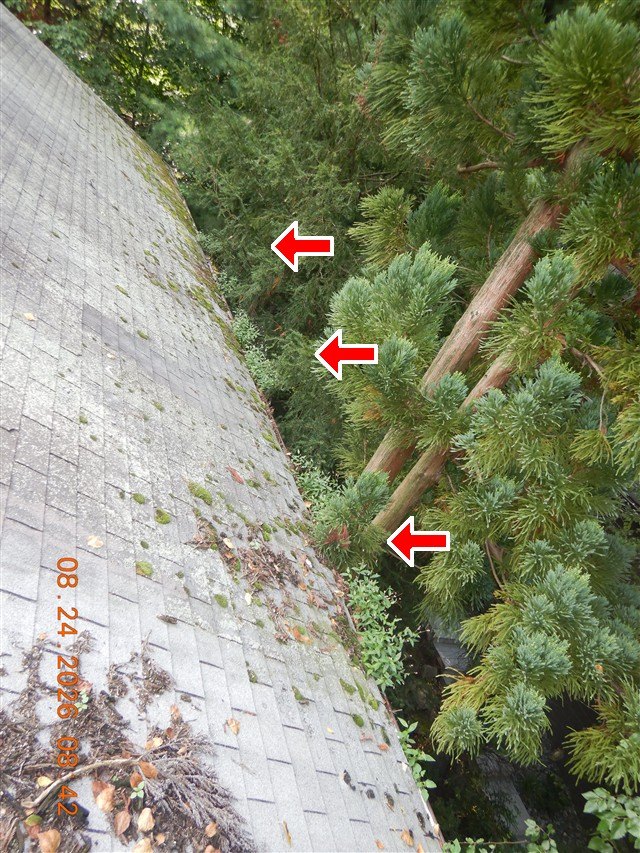
Why this matters — roof wear
Asphalt and slate-type roofs age in legible stages: curling, cracking, slipped pieces, exposed fasteners. Reading the stage helps establish the visible wear and whether maintenance, repair or further evaluation is the honest next step. The report must say how the roof was examined.
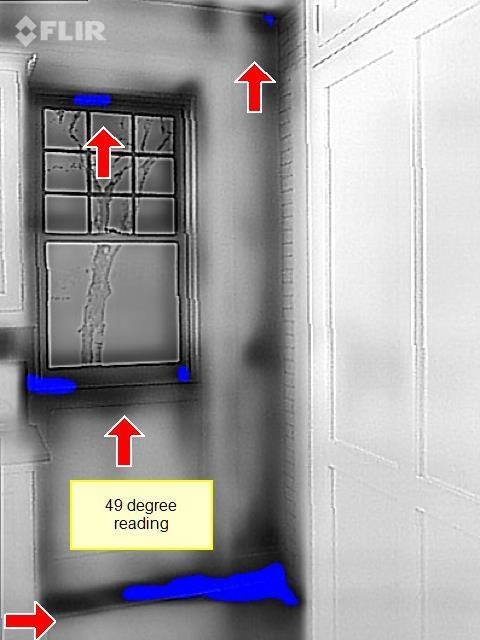
Why this matters — thermal imaging
A thermal camera reads surface temperature differences — the starting point for finding air leaks, missing insulation and wet materials that warrant a closer look. It is evidence for further investigation, not a verdict by itself. How thermal evidence gets used.
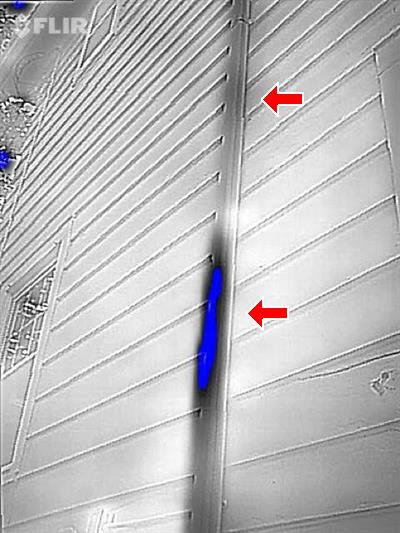
Why this matters — thermal imaging
A thermal camera reads surface temperature differences — the starting point for finding air leaks, missing insulation and wet materials that warrant a closer look. It is evidence for further investigation, not a verdict by itself. How thermal evidence gets used.
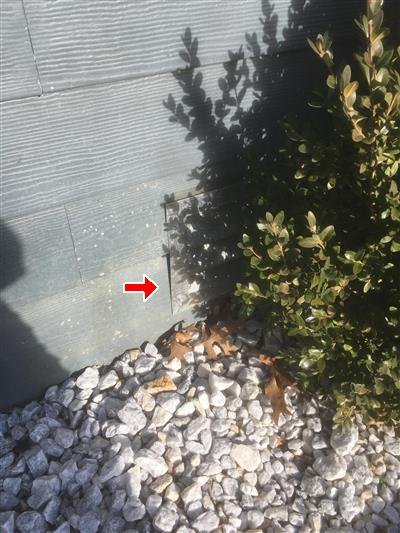
Why this matters — drainage
Managing roof runoff is often one of the most cost-effective maintenance jobs a house gets — discharge against the foundation raises the risk of moisture problems below. Why drainage decides basements.
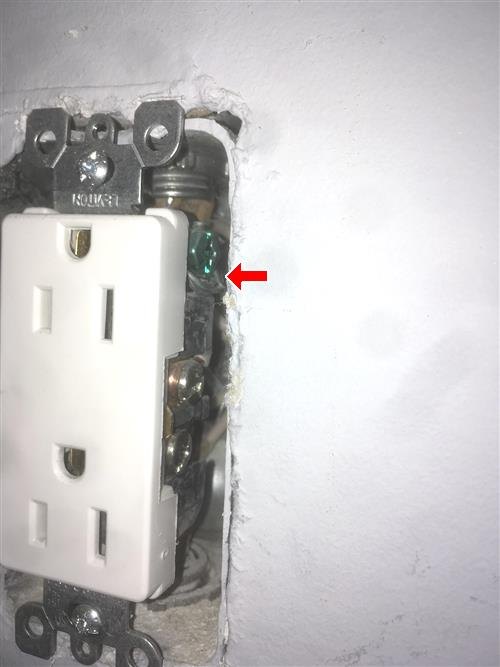
Why this matters — older wiring
Old wiring is not automatically a defect — it is a question of condition, capacity and what was added to it over the decades. The report describes what era of wiring is present and where it needs a closer look. Old wiring and panels, explained.
All photographs are from Lou's own inspection reports for jobs in this area, screened so nothing identifies a property or an owner.