Queens co-op & condo inspections: where your ownership stops
Buying an apartment is not buying a house with fewer rooms. Much of what determines whether it is a good purchase sits on the other side of a wall you will never own.
What generally cannot be observed is the part that costs the most: the building's roof, its boiler and risers, its facade and its structure. Those belong to the corporation, they are usually not accessible during a unit inspection, and their condition arrives in your life as an assessment rather than a repair bill.
This is where New York's rule earns its keep. Under 19 NYCRR 197-5.3(c), a system or major component that was not observed has to be listed in the report as not observed, together with the reasons. In a co-op that list is long — and it is the most useful page in the report, because it tells you exactly which questions to take to the managing agent, the board minutes and your attorney.
An inspector cannot tell you whether the reserve fund is healthy or whether an assessment is coming. He can tell you which parts of the building he was never able to see, which is what makes those questions answerable.
If the house you are buying has a second kitchen somewhere, whether that arrangement is a legal two-family — and whether the certificate of occupancy agrees with what is actually there — changes what the property is worth and what a lender will do.
A home inspection reports on condition, not on legality — New York is explicit that an inspector may not determine compliance with codes, laws or ordinances (19 NYCRR 197-4.4(d)). What Lou can do is describe accurately what is there, so that the mismatch, if there is one, is visible to you and your attorney before closing rather than after.
Under contract on an apartment?
A report that tells you what could not be seen, and why, is what turns the rest into questions you can actually put to the managing agent.
Not sure yet? Read what New York requires of your inspector or see a real report.
Photographs from real inspections
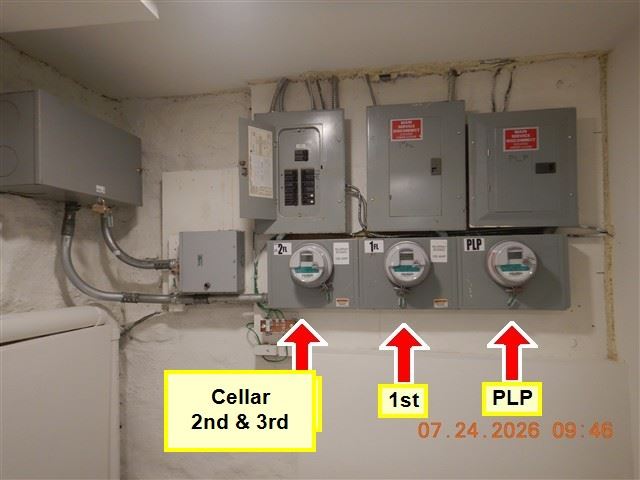
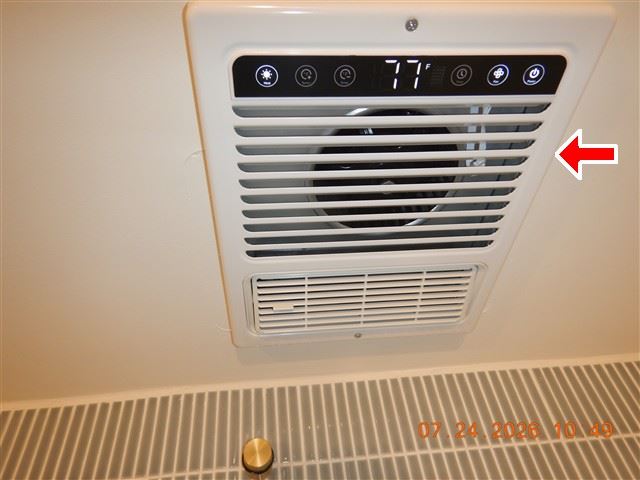
Real photographs from Lou's own inspections, chosen because they show a building component and nothing that identifies a property or an owner.
- Levittown & MassapequaLevitt-era slabs and expansion attics
- Long Beach & Island ParkFlood zone, elevation and drainage
- Garden City & Rockville CentrePre-war houses and original systems
- Huntington & NorthportSeptic, well and north shore grades
- Queens co-ops & condosShared systems and board access
- Brooklyn brownstonesCentury-old party walls and cellars
- Manhattan co-ops & condosBoard packages, risers and what you never own
- WestchesterOlder housing stock, larger lots
- Town by town26 towns and neighbourhoods, with the real counts
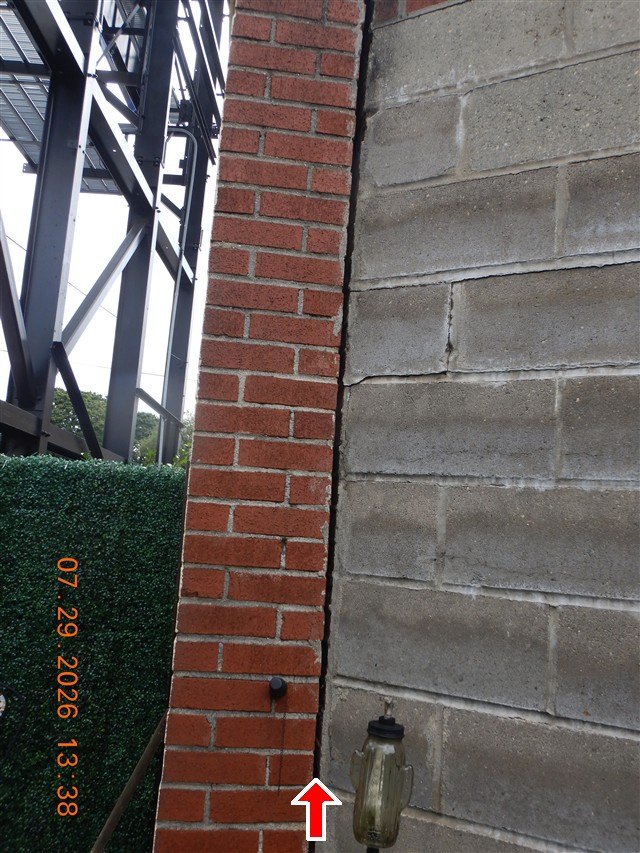
Why this matters — the structure
Cracks and damaged framing are information: their pattern and extent tell the report whether further evaluation by an engineer or the right contractor is the honest next step. The report documents location and extent so change can be seen later. What a condition report does and does not rule on.
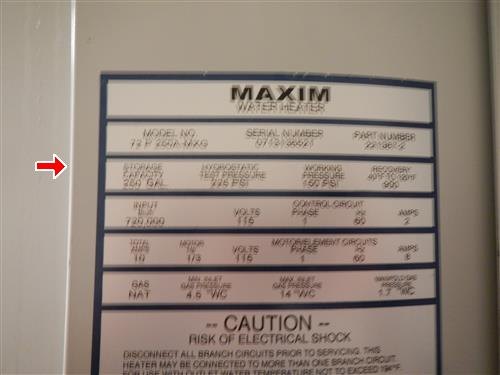
Why this matters — the water heater
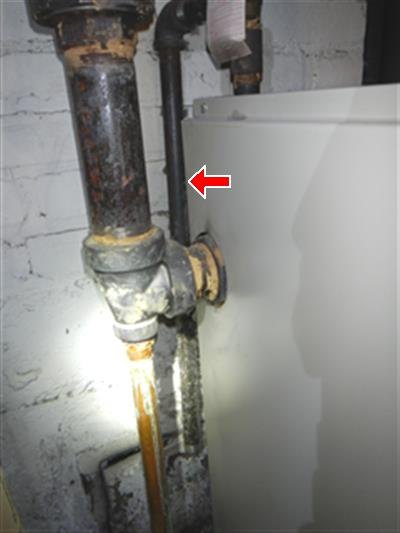
Water heaters have a known service life, and their installation — clearance, venting, the gas connection, the pan — matters as much as their age. All of it is checked where it sits. What the write-up looks like.
Why this matters — the heating plant
A boiler's data plate gives its real age; the burn chamber and the piping around it give its real condition. Both go in the report so replacement budgeting is arithmetic, not argument. What an inspection costs against what it finds.
Why this matters — the electrical panel
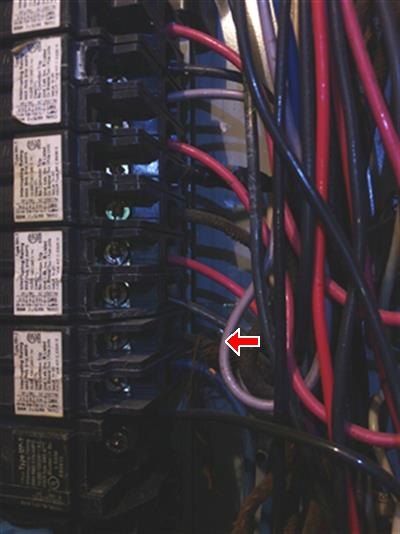
An inspector removes the readily accessible panel covers because New York requires it — most of what matters in a panel is invisible with the cover on. Double-tapped breakers, mixed wire eras and scorched connections are all findings that only appear with the cover off. Why the covers come off.
Why this matters — the drains
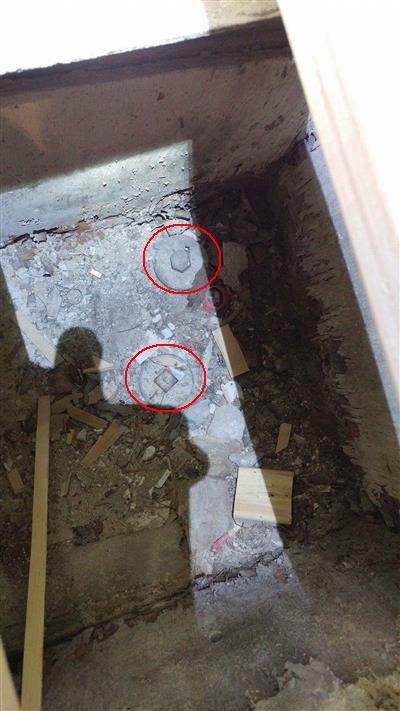
Drains are judged where they are visible — traps, materials, slopes and improvised repairs. An improper fitting works right up until it does not, which is why it belongs in the report while it is still cheap. See how findings are written up in a real report.
Why this matters — supply plumbing
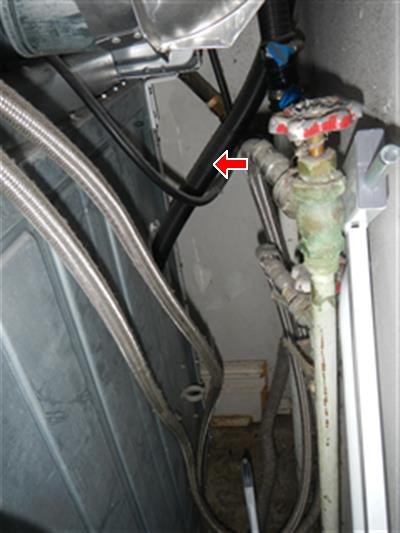
Supply plumbing is judged by material and era — and by the small evidence at the joints. Corrosion and mineral tracks at connections show slow weeping long before a failure. Moisture evidence, explained.
All photographs are from Lou's own inspection reports for jobs in this area, screened so nothing identifies a property or an owner.