What the Cypress Hills reports found
Lou’s two summaries flagged 13 items Repair or Replace, most for the exterior (7), roof, chimney and attic (5) and electrical system (1). Each report, newest first, as Lou wrote it up.
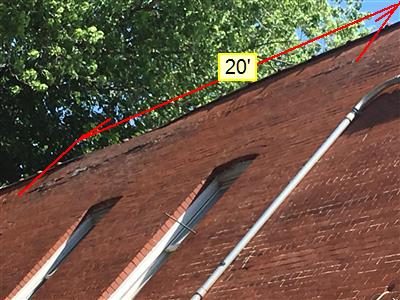
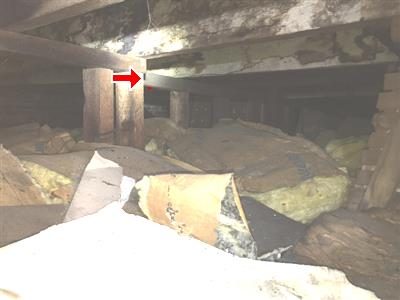
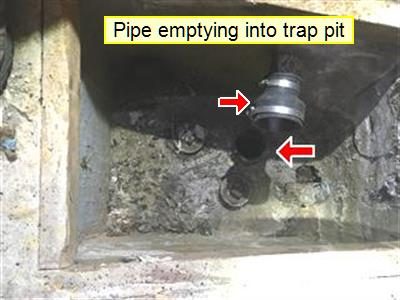
2018, a town home, about 107 years old: 8 items flagged: 4 roof, chimney and attic; 3 exterior; 1 electrical system. As recorded: flat roof, asphalt/fiberglass, seen from: walked, framed with 2 x 8 rafters; attic: scuttle hole in closet and no storage, fiberglass and r-19 insulation, skylight vents ventilation; brick and cement stucco full brick siding, chimney: brick; brick foundation, 2 x 8 floor framing, supporting walls; hydronic heat on natural gas, 40 gallon (1-2 people) gas (quick recovery) water heater (basement and utility room); 100-amp and 50-amp x 3 circuit breakers (General Electric), BX wiring, copper supply pipes, public water; double-hung, thermal/insulated and sliders windows, hardwood t&g, linoleum and laminated t&g floors, wood and laminate cabinets, laminate counters. Flagged, in Lou’s words: “Roof is over 20 years old with many cracks, air and water bubbles especially in rear”; “Old TV antenna attached to plumbing vent pipe should be removed to prevent roof damage”; “Roof ladder closet filled with garbage”; “Rear leader and gutter is filled with tree debris”; “Installation of gutter guard do to close proximity of large tree in rear yard”; “Left side parapet wall is falling apart for a length of 20 feet”; “Ceramic wall copping is displaced”; “Front door dead bolt is missing”; “Concrete rubble left on side of front walkway”; “Front walkway need protection from undermining”; “Safety Item: Left rear dividing wall has nails protruding”; “Rear wall has large tree log pushing on it”; “Ceramic floor tile are cracked”; “Front window upper sash is cracked”; “Cabinet drawn left side missing”; “Black ceramic tile are broken in front of stove”; “Oven ignitor did not light”; “Boiler room ceiling needs fire-resistant sheetrock”; “In basement boiler room dirt and debris on left, right and rear sides”; “Floor is damp from leaking middle boiler”. Also noted: “Viewed from roof ladder, partially visible”; “Safety Item: Cover missing from trap allowing sewer gas to escape”; “Pipe emptying into trap pit”; “Main panel in basement left side front cabinet”; “Basement sub panel in right front room”. On the day: 80°F, clear, dry ground, no rain in the three days before; the house faces SE. Not inspected that day: ceilings; floors; insulation under floor system; visible electric wiring in attic. Not present in this house: cooling and air handler equipment; gas/lp firelogs and fireplaces; normal operating controls; presence of installed cooling source in each room; solid fuel heating devices; sump pump; vapor retarders; ventilation fans and thermostatic controls; windows.
2017, a town home, about 9 years old, a two-family house: 5 items flagged: 4 exterior; 1 roof, chimney and attic. As recorded: flat roof, asphalt/fiberglass, seen from: walked roof; attic: no storage, passive ventilation; brick and clapboard vinyl and full brick siding, chimney: PVC; poured concrete foundation, supporting walls; hydronic heat on gas, 45 gallon (1-2 people) indirect fired water heater (first floor utility closet); 100-amp and 60-amp circuit breakers (Murray and Siemens), BX wiring, copper supply pipes, public water, window AC; double-hung and thermal/insulated windows, hardwood t&g, vinyl and tile floors, wood cabinets, granite and laminate counters. Flagged, in Lou’s words: “Seams in roofing are opening up toward rear”; “Brickwork starting to rust-jack on right side of stoop from steel lentil iron over doorway”; “Front and rear storm doors missing door closing piston”; “Rear wooden steps, first tread is split”; “Rear wooden steps, left side rail post loose and split at bottom”; “Rear wooden steps and platform need paint or waterproofing”; “Front stoop top tread has open joint on bottom and is cracked on right side from railing post”; “Underside of top platform has water damage”; “Bottom post front railing right side hole needs to be filled in with anchoring cement”; “Unable to check rear outlet, cover blocked by railing post”; “Microwave door latch is broken”; “Clogged with lint on roof”; “Old water damage in basement hallway”; “Old water damage in basement bath”; “Old water damage in 1st floor bath, sheetrock and insulation removed to repair pex water leak 2nd floor rear bedroom closet”; “Old water damage in 1st floor hallway”; “Old water damage to paint in basement hallway”; “Old water damage to paint in basement bath”; “Old water damage to paint in 1st floor hallway”; “Old water damage to paint in first floor hall bath”. Also noted: “Checked plumbing water supply for leaks non found, (verified with water meter no movement)”; “Infrared photography of walls and ceiling no leaks found”; “Main water shut off in storage space under front stoop”; “Conduit is corroded in storage space under front steps”; “Front doorbell button is broken”; “Main panels in front next to meters”; “Sub panel on wall in basement hallway”; “Sub panel on wall in first floor hallway”; “Radiators are not getting hot in basement and in second floor front bedroom”; “Checked heat system for leaks non found, (verified with water meter no movement)”; “Too cold to operate window A/C units with out damage”; “Window A/C units do not fit wall sleeves properly”. On the day: 50°F, clear, 5 mph wind, damp ground, rain in the three days before; the house faces east. Not inspected that day: ceilings; cooling and air handler equipment; floors; insulation in attic; insulation under floor system; normal operating controls; roof structure and attic; vapor retarders; visible electric wiring in attic. Not present in this house: gas/lp firelogs and fireplaces; presence of installed cooling source in each room; skylights, chimneys and roof penetrations; solid fuel heating devices; ventilation fans and thermostatic controls; windows.
“Flagged” is HomeGauge’s Repair or Replace mark, not a verdict on the house. See a complete report.
Related: The Brooklyn page · What an inspection costs · Schedule an inspection.