Under contract and on a clock? Call 516-330-3870 Text Email

Inspect This Home Inspections Army Veteran Owned · NY Licensed
Queens · colonial and cape

Home inspector in Rockaway Beach, NY

In 2014, Lou Rubino inspected two homes in Rockaway Beach — two jobs, each with a written report, and the photographs below come from them. The reports describe a cape and a colonial, from 69 to 94 years old.

Rated 4.9 on Google as of November 2026 · U.S. Army veteran owned · NY licence #16000039568 · 516-330-3870

What the Rockaway Beach reports found

Lou’s two summaries flagged 14 items Repair or Replace, most for the roof, chimney and attic (6), exterior (4) and structure (3). Each report, newest first, as Lou wrote it up.

2014, a colonial, about 94 years old, a two-family house: 10 items flagged: 4 roof, chimney and attic; 3 structure; 2 exterior. As recorded: hip roof, architectural, seen from: walked roof, framed with 2 x 6 rafters; attic: attic hatch, r-19 insulation, soffit vents ventilation; clapboard vinyl siding, chimney: brick; masonry block foundation, 2 x 8 floor framing, steel lally columns; 40 gallon (1-2 people) gas (quick recovery) water heater (basement); 100-amp x 2 circuit breakers (Murray), romex and BX wiring, lead supply pipes, public water; double-hung windows, carpet and hardwood t&g floors, laminate and wood cabinets, laminate counters. Flagged, in Lou’s words: “Nail hole in shingle north side rear toward peak”; “Some peak capping is splitting”; “Cement chimney cap is cracked and brick joints are open”; “Leader missing from left rear of house causing water damage to left rear foundation and water inside basement”; “Leader damaged and leaking at right rear of house”; “Leader too short and elbow missing from right front of house”; “Four inch insulation in attic placed wrong way. Foil should face living area”; “A lot of debris left in attic”; “Vinyl siding missing from rear of house first floor, and siding burnt near second floor rear sliding door”; “Portion of deck still hanging from rear of house”; “Water ponding on front side-walk in front of window”; “Foundation exterior has water damage left rear of house”; “Inside water intrusion from missing leader”; “Standing water on floor in basement near missing leader”; “Foundation cracked at left front corner”; “Right rear basement, evidence of termite tunnels up block work into sill plate and walls”; “Sill plate termite damaged to right of basement entrance door”; “Basement stairs, right side wall at bottom termite damage”; “Termite damage under porch area left side”; “Asbestos like insulation on some steam pipes and fittings in basement”. Also noted: “Second floor rear sliding door covered with 2"x 4"'s”; “Front stoop right side block cheek wall is deteriorated”; “Water ponding on front side- walk in front of window”; “Section of soffit missing from left rear of house”; “Extra Info : Second Floor Laundry Room”; “Dimmer switch loose in box and plate screw missing”; “Second floor middle bedroom hole enlarged around steam pipe”; “Second floor middle bedroom door frame broken”; “Second floor rear bedroom door damaged holes and cracks in door”; “Space behind toilet and bowl loose”; “Outlet in bath not GFCI protected”; “Porcelain finish in tub worn”; “Shower diverter not working”; “Water Copper water pipes not secured properly to ceiling”; “VALVE, located in basement left hand front corner”; “Whole house gas shut off valve located in basement left front and apartment valves at gas meters”. On the day: clear, damp ground, rain in the three days before; the house faces west. Not inspected that day: plumbing water faucets. Not present in this house: cooling and air handler equipment; insulation under floor system; outlets; solid fuel heating devices; ventilation of foundation area; windows.

2014, a cape, about 69 years old, a two-family house: 4 items flagged: 2 roof, chimney and attic; 2 exterior. As recorded: gable house and hip garage roof, architectural, seen from: ground; gable vents ventilation; clapboard vinyl and stone siding, chimney: brick; poured concrete foundation, 2 x 8 and 3"x 6" steel i beam floor framing, steel lally columns; 50 gallon (2-3 people) gas (quick recovery) water heater (basement and utility room); 100-amp circuit breakers (Murray), BX wiring, copper supply pipes, public water; double-hung windows, hardwood t&g, self adhesive tile and vinyl floors, wood and laminate cabinets, laminate counters. Flagged, in Lou’s words: “Chimney brick near top showing signs of peeling”; “Gutter on right side of garage is broken”; “Rear basement steps left side wall cracked”; “Front curb and sidewalk cracked”. Also noted: “Attic only partially visible in knee wall area in rear bedroom”; “Left side GFCI outlet wood not reset”; “Gas pipe to oven mounted outside wall”; “Tape on sink drain tail piece”; “Some floor joists have been sistered in boiler room area”; “Whole house trap in basement floor under steel plate, left front corner closet”; “Out side right side of front stoop at gas meter”; “Boiler room left side ceiling open junction box, wires hanging out”; “BX cable hanging down same area”; “Outlets in garage not GFCI protected”. On the day: clear, damp ground; the house faces east. Not inspected that day: insulation in attic; roof structure and attic; visible electric wiring in attic. Not present in this house: cooling and air handler equipment; insulation under floor system; normal operating controls; presence of installed cooling source in each room; solid fuel heating devices; sump pump; ventilation fans and thermostatic controls.

“Flagged” is HomeGauge’s Repair or Replace mark, not a verdict on the house. See a complete report.

Related: The Queens page · What an inspection costs · Schedule an inspection.
What the inspection can examine here

  • The roof, chimney and attic — how the roof was observed is stated in the report, as New York requires, and the attic is entered wherever a hatch allows.
  • The heating plant and any central air — operated in normal mode, dated from the data plate, with the flue and clearances looked at where accessible.
  • Supply and drain plumbing where it can be seen — materials, visible leaks, the water heater and its venting, and what moisture has already done.
  • Radon — a separate, optional test arranged alongside the inspection.

Photographs from Rockaway Beach reports

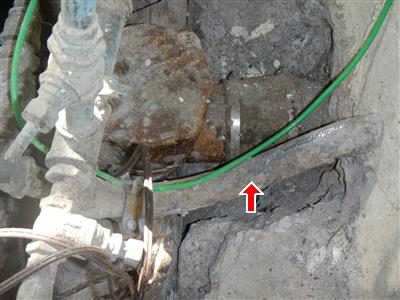
Old water service entry with a corroded meter and valve where the pipe enters through the foundation, marked by a red arrow.
Lead service pipe at the water entry, as labelled in the plumbing supply section of the report.
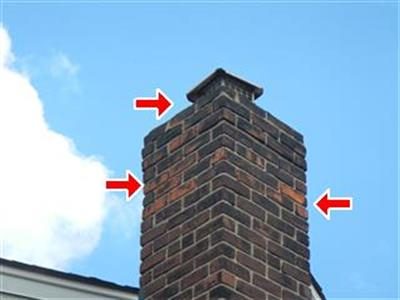
Brick chimney against a blue sky with red arrows pointing at peeling brick faces near the top.
Chimney brick near the top showing signs of peeling. Lou recommended repair of the cement chimney cap to prevent further water intrusion, by a licensed mason contractor.
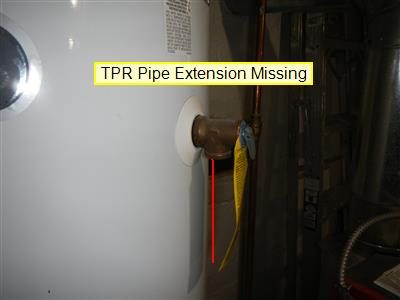
Side of a white water heater with a brass relief valve and no discharge pipe, with a red line and a report label.
Water heater TPR needs an extension pipe. Lou recommended evaluation and repair by a licensed plumbing contractor.

All three photographs are from Lou's own Rockaway Beach inspection reports, chosen because they show a building component and nothing that identifies a property or an owner.

Buying in Rockaway Beach: the questions with sourced answers

Each answer is built from Rockaway Beach’s own rows in public data — the Census, NYSDOH, NYSDEC, FEMA, the office that holds the permits — or from Lou’s reports, and cites its source. Data retrieved 1 November 2026.

How old are the houses in Rockaway Beach?

Median year built in zip 11693: 1963 (Queens: 1953). Of 5,850 units, 21% predates 1940; 20% is from 2000 on. Next come the 1960s at 20% and the 1950s at 15%. An older house is not a worse house, but its wiring, plumbing and roof were installed under different rules and replaced piecemeal, which is what the inspection looks for. Lou’s reports here: 69 to 94 years old. (ACS)

How are homes in Rockaway Beach heated? Is an oil tank likely?

63% utility gas, 17% fuel oil or kerosene; fuel oil 17% against 11% county-wide. NYSDEC logs 31 petroleum spills at private homes in Rockaway Beach since 1996, 4 since 2015. 20 were logged in 2012, the year of Hurricane Sandy. A gas conversion can leave a tank behind. An abandoned tank is most likely in a house that was converted from oil. Buried tanks are outside the standards New York sets for a home inspection, so the seller’s answer matters. (ACS, NYSDEC)

Is Rockaway Beach mostly houses or apartments, owned or rented?

42% buildings of 50 or more units, 21% detached houses, 10% two-unit buildings; 46% owner-occupied (Queens: 45%). With 49% of units in buildings of 20 or more, many purchases here are apartments: the inspection covers the unit, and the roof, plant and risers belong to the board. Lou’s jobs here included a two-family house. (ACS)

Is radon a concern in Rockaway Beach?

Queens (reported by borough): 598 basement tests, average 1.26 pCi/L, 22 at 4 or above (4%). First-floor tests there: 118, average 0.62. The highest basement reading was 23.8 pCi/L. EPA’s action level is 4 pCi/L, and it advises testing every home whatever the area’s results. Radon testing is optional. (NYSDOH)

Has Rockaway Beach flooded? Is the house in a flood zone?

1,605 flood-insurance claims from zip 11693 since 1978, most in 2012 (808): 19th of the 189 zips on these pages. A claim count describes the zip, not the house; 2012 was the year of Hurricane Sandy. Flood zones follow the address. Check the address on FEMA’s map. (OpenFEMA)

Who holds the permits and certificate of occupancy in Rockaway Beach?

The NYC Department of Buildings. Look the address up on BIS or DOB NOW. Your attorney usually runs the search. The inspection reports the condition of what is there and flags work that typically needs a permit, such as a finished basement, a dormer or a moved panel, so you know what to ask about.

Which code, water and sewer rules apply in Rockaway Beach?

The New York City Construction Codes, the NYC Department of Buildings records and NYC water and sewer: county-wide, written once. They are the same for every town in Queens, so they are set out there with their sources instead of on each page.

How much does a home inspection in Rockaway Beach cost, and how fast is the report?

Lou quotes the actual property, not a flat rate — what drives the price is size, age and what is included. The written report arrives the same day as a rule; a large or complex house can run to the next morning. Call or text 516-330-3870.

Queens, town by town

Every Queens place with a page here, each with the real count from Lou's records. The Queens page covers the county as a whole.

Where this sits in Lou's territory

Lou covers Long Island, the five boroughs and Westchester from his base in Wantagh, and the archive behind these pages shows where that work has actually concentrated.

Nearby towns Lou has inspected: Arverne · Rockaway Park · Belle Harbor · Far Rockaway · Inwood · Howard Beach · all 250 towns.

Call Lou Text