What the Hampton Bays reports found
Lou’s two summaries flagged 22 items Repair or Replace, most for the exterior (9), roof, chimney and attic (8) and structure (3). Each report, newest first, as Lou wrote it up.
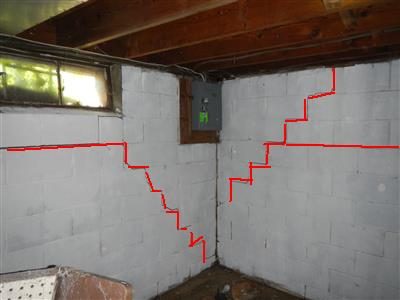
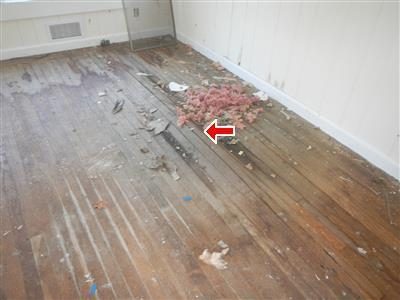
2018, a ranch: 11 items flagged: 5 exterior; 4 roof, chimney and attic; 1 structure. As recorded: gable roof, 3-tab fiberglass, seen from: ground, framed with 2 x 8 rafters; attic: no storage, fiberglass insulation, gable vents and soffit vents ventilation; clapboard aluminum siding, chimney: brick; masonry block foundation, 2 x12 and 2"x 10" main wood beam x 3 floor framing, steel screw jacks; non-insulated and metal ducts; copper supply pipes, public water; casement, double-hung and single pane windows, hardwood t&g floors. Flagged, in Lou’s words: “Roof is original, one layer 27 years old”; “Roof has been covered with tarp to stop leaking into house”; “Tarp are old and worn out also”; “Chimney needs to be stainless steel lined”; “Roof needs new cement cap and pointed from roof line up”; “Primary cause of water intrusion into basements is improper disposal of roof water”; “Right front leader pipe elbow is missing”; “Rear gutter is damaged right rear and middle”; “Water damage to insulation”; “Left front aluminum panel missing”; “Aluminum siding to left of front entrance is damaged”; “Aluminum siding is stained left side near patio”; “Trim left side of patio door is missing”; “Aluminum siding is damaged right side middle”; “Left side sliding patio door glass therma-pane is broken”; “Front door lock is broken”; “Most windows are original single pane with storms”; “Front bay, casement window has dropped out of square, making opening difficult”; “Storm glass and screens missing from many windows”; “Front stoop is falling apart”. Also noted: “Water damage, from leaking roof, to ceiling left side”; “Floor is buckled from water damaged from leaking roof”; “Water damage to ceiling in bathroom”; “Water damage to front hallway ceiling”; “Water off a time of inspection”; “Screw jack are not permanent columns”; “Duck work is metal non-insulated”. On the day: 77°F, clear, dry ground, no rain in the three days before; the house faces west. Not inspected that day: automatic safety controls; burner; exhaust fan; heating equipment; normal operating controls; operation of gfci; outlets switches and fixtures; plumbing drain, waste and vent systems; plumbing water faucets; plumbing water supply and distribution systems and fixtures; visible electric wiring in attic. Not present in this house: burner for water heater; cooling and air handler equipment; gas meter; gas/lp firelogs and fireplaces; insulation under floor system; normal operating controls; outlets & fixtures; presence of installed cooling source in each room; solid fuel heating devices; sump pump; vapor retarders; ventilation fans and thermostatic controls; windows.
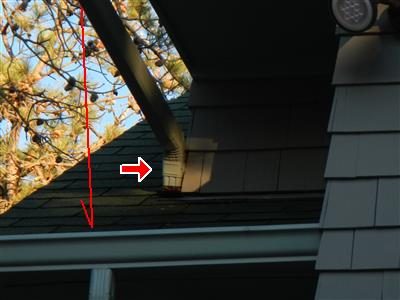
2016, a colonial, about 39 years old: 11 items flagged: 4 roof, chimney and attic; 4 exterior; 2 structure. As recorded: gable roof, 3-tab fiberglass, seen from: walked roof; attic: no storage, gable vents, soffit vents and passive ventilation; cedar shingle wood and cedar siding, chimney: wood cedar shingle; masonry block foundation, 2 x 6 main beams and 2"x 4" floor framing, wood piers, crawlspace: crawled; forced air heat on oil, (2) 40 gallon electric and oil water heater (basement and utility room); 150-amp circuit breakers (Westinghouse), romex wiring, copper supply pipes, public water, air conditioner unit; double-hung windows, hardwood t&g floors, laminate cabinets, tile counters. Flagged, in Lou’s words: “South facing side of roof mineral is worn out and fiberglass showing at lower edge”; “North facing side closest to chimney missing shingles”; “Shingle missing from west and east facing side of perpendicular roof section”; “Cap shingle cracked rear perpendicular roof section”; “Chimney is not properly flashed”; “Cedar shingles are loose on side of chimney”; “Skylight in second floor living room has small crack”; “Left front upper leader pipe elbow is berried into shingle and is clogged with pine needles”; “Left side leader pipe onto patio missing splash block”; “Front leader pipe extension should drain away from house”; “Front right gutter and leader pipe clogged and frozen”; “Left front upper gutter is filled with pine needles”; “Balcony double doors hit saddle”; “Rear deck needs railing along rear side”; “Water laying on balcony left side”; “Asphalt driveway is cracked and aggregate exposed”; “Rear wood retaining wall is out of plum from pine tree pushing outward and hydraulic water pressure”; “Wood curb at rear bottom step is loose”; “Soffit vent is a cut in soffit with no wire mesh to prevent insect intrusion”; “Corner wall cabinet opposite side of sink lower hinge is loose”. Also noted: “Doors are difficult to open rear storage shed and rear outdoor shower”; “Cracked to left of skylight, and paint peeling in skylight tunnel”; “Ceiling cracked in main hallway first floor”; “GFCI Outlet has no current and will not reset”; “Jacuzzi tub, motor operates but pump does not work”; “Fuel Oil fill pipe in rear next to deck”; “Furnaces should be checked annually for carbon-monoxide leaks”. On the day: 23°F, clear, damp ground, rain in the three days before; the house faces south. Not inspected that day: insulation in attic; roof structure and attic; visible electric wiring in attic. Not present in this house: basement windows; food waste disposer; gas meter; gas/lp firelogs and fireplaces; sump pump; trash compactor; vapor retarders; ventilation fans and thermostatic controls; windows.
“Flagged” is HomeGauge’s Repair or Replace mark, not a verdict on the house. See a complete report.
Related: The Suffolk County page · What an inspection costs · Schedule an inspection.