What the Upper Brookville reports found
Lou’s two summaries flagged 17 items Repair or Replace, most for the roof, chimney and attic (7), exterior (5) and garage (2). Each report, newest first, as Lou wrote it up.
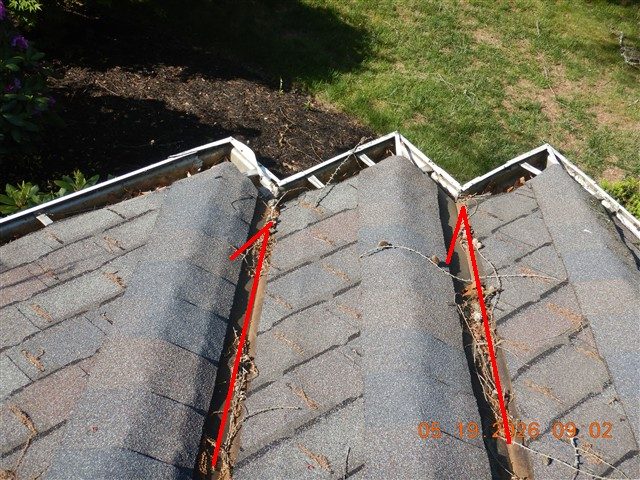
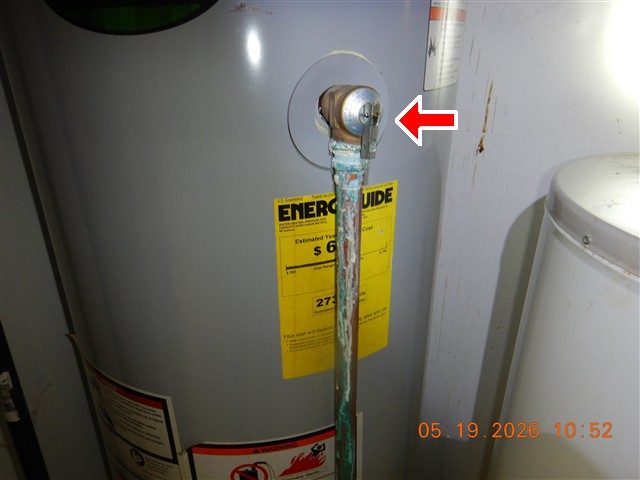
2026, an expanded ranch, about 65 years old: 7 items flagged: 3 roof, chimney and attic; 2 garage; 1 exterior. As recorded: hip and flat roof, architectural and asphalt/fiberglass, seen from: walked roof; attic: attic hatch, soffit vents and passive ventilation; brick full brick siding, chimney: brick; supporting walls; insulated ducts; 200-amp circuit breakers (Murray), romex wiring, copper supply pipes, public water, air conditioner unit; laminate cabinets, quartz counters. Flagged, in Lou’s words: “Flat roof sections should be painted with aluminized roof paint to reflect the sun and to protect the roof”; “Small chimney cement cap is cracked”; “Fire safety Item: On guest house roof, brick chimney enclosure needs wire mesh to prevent tree debris from accumulating”; “Roof valley draining into right and left side of front fascia board at front entrance”; “Rear roof hip valley draining into side walls”; “Rear hip valleys full of debris draining into gutters”; “Flat roof section full of debris bottlenecking at rear”; “Rear gutters of guest house are full of debris”; “Right side entrance wall, copping brick bed-joint is cracked”; “Left side entrance pier is cracked”; “Asphalt driveway has many spider and large cracks and pot holes”; “Asphalt driveway has two layers of asphalt top layer is peeling no liquid asphalt applied prior to paving”; “Left side small tree hitting house”; “Left side large evergreen shedding debris onto roof and into pool”; “Safety Item: Middle burner does not ignite and gas smell”; “Microwave door hits cabinet on hinge side”; “Den fireplace door is loose and smoke escapes”; “Den fireplace does not have good updraft when tested with Regin 45 sec smoke emitter”; “Fireplace in living room damper plate is missing”. Also noted: “No screens noted for many windows”; “Structural item: Right front brick column support pad is cracked”; “Front entrance blue stone treads”; “Cracked blue stone flagging near asphalt driveway eads have cracked and open joints”; “Hose connection midway right side of driveway, has good pressure”; “Guest house water heater TPR valve is leaking”; “Four zone radiant heat in guest house did not get hot”; “Cracked concrete paver copping stones are cracked on left side of steps”; “Pavers dropped below grade right side”. On the day: 80°F, clear, dry ground, no rain in the three days before; the house faces south. Not inspected that day: ceilings; floors; insulation in attic; insulation under floor system; operational condition of pool; permanent accessories condition; pool heaters; pumps for circulation of water; pumps for vacuum or cleaning; roof structure and attic; service entrance conductors; surface walls and floor of pool; visible electric wiring in attic. Not present in this house: can fence be climbed by the use of personal items or structures against fence; chemicals for pool capable of being stored with a lock; columns or piers; does pool have any rescue equipment; fence; gas/lp firelogs and fireplaces; pool liner condition; sump pump; vapor retarders; ventilation fans and thermostatic controls.
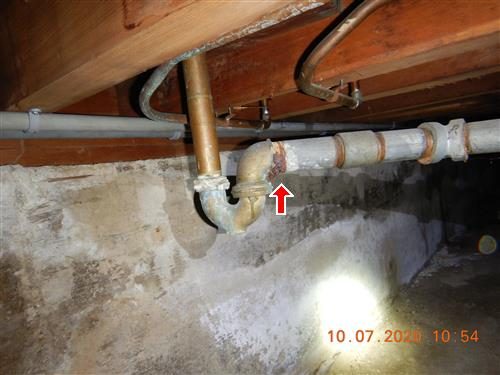
2020, an expanded ranch, about 60 years old: 11 items flagged: 4 roof, chimney and attic; 4 exterior; 1 kitchen. As recorded: gable roof, 3-tab fiberglass and asphalt/fiberglass, seen from: binoculars, framed with 2 x 8 rafters; attic: no storage, fiberglass, below and r-19 insulation, gable vents, ridge vents and passive ventilation; brick wood, full brick and cedar siding, chimney: brick; poured concrete foundation, 2 x 8, 3 1/2"x 6" steel i beam crawl spce and 4"x 7" steel i beam floor framing, steel lally columns, crawlspace: crawled; hydronic heat on oil, hot water off the boiler; 200-amp circuit breakers (Murray), romex and BX wiring, copper supply pipes, public water, air conditioner unit; sliders, storm windows and single pane windows, hardwood t&g, carpet and laminated t&g floors, wood cabinets, laminate counters. Flagged, in Lou’s words: “Cement chimney cap is cracked and no rain caps present on flues”; “Most common cause of water intrusion into basements and crawl spaces, is improper disposal of roof water and sprinkler heads to close to foundation”; “Left rear leader pipe needs pipe extension”; “Right front of entrance, leader pipe needs extension”; “Right front leader pipe of garage needs pipe extension”; “Short rear middle gutter off of extension needs to be changed to commercial gutter and leader pipe”; “Volume of water is too large for conventional gutter and leader pipe”; “Knob missing from switch in basement stairwell”; “Front entrance, concrete platform is undermining left side”; “Weld broken to hold down bracket at corner”; “Safety Item: Trip hazard, balcony deck boards nails heads popping at top of steps”; “Deck boards need water proofing”; “Large tree left rear is 3' feet from house”; “Branches overhanging and damaging roof”; “Safety Item: Outlet left rear near hot-tub is not GFCI protected”; “Left side of island cabinet damaged from garbage pail”; “Safety Item: Stairs from basement first step support rod is missing and steps move while climbing”; “In crawl space under hall bath galvanized pipe to trap is corroded”; “Living room fireplace damper is jammed with debris from chimney”. Also noted: “Two seams open at transition between flat roofing material and shingle”; “One ridge vent cap raised up, right side”; “Balcony flat roof over 1/2 garage is worn out”; “Flat roof area over rear extension, in valley, will wear out sooner from heavy water runoff”; “Tree branches and leaves all over roof”; “Limited visibility, could not get past A/C unit in attic”; “Garage filled with vehicles, parts and storage”; “Exterior crawl space vents left side should be kept clear of vegetation”; “Rodent trap left side rear”; “No evidence in crawl space”; “No insulation on hot water pipes in basement and crawl space”; “Fuel fill pipe to right of front entrance”; “Trap vent to right of front entrance, keep free of vegetation”; “No insulation on copper heat pipes in boiler room and crawl space”; “Basement fireplace has stove insert with blower motor”. On the day: 74°F, clear, damp ground, rain in the three days before; the house faces north. Not inspected that day: garage floor; garage walls; visible electric wiring in attic. Not present in this house: food waste disposer; gas meter; gas/lp firelogs and fireplaces; sump pump; trash compactor.
“Flagged” is HomeGauge’s Repair or Replace mark, not a verdict on the house. See a complete report.
Related: The Nassau County page · What an inspection costs · Schedule an inspection.