What the Midtown reports found
Lou’s two summaries flagged 5 items Repair or Replace, most for the kitchen (4) and exterior (1). Each report, newest first, as Lou wrote it up.
2019, an apartment house, about 111 years old: 1 item flagged: 1 kitchen. As recorded: seen from: permission not granted to view roof; brick full brick siding; brick, poured concrete and rock foundation, rienforced concrete floor framing, supporting walls and steel h beams; tankless con ed, city steam water heater (basement and water utility room); 200-amp circuit breakers (Aa Switchboard Comp), conduit wiring, cast iron supply pipes, public water, ptac; casement, thermal/insulated and double-hung windows, parqet, carpet and tile floors, laminate cabinets, granite counters. Flagged, in Lou’s words: “Master bedroom, cracked at left side corner of side window”; “Water damage to parquet floor near master bedroom PTAC unit”; “Second bedroom, right side window does not open stuck at top of frame”. Also noted: “Active construction on brick exterior to replace rusted steel, window lentil irons and brick work above windows”; “Work estimated time of completion is September 2019”; “Trash Chute in 4th floor, common hallway closet”; “Safety Item: Shower door glass does not appear to be Safety Glass”; “Shower diverter in tub spout is stuck in on position”; “Safety Item: GFCI outlet in medicine cabinet does not trip”; “Structural concrete column taking up space in assigned storage bin”; “Water pressure in building is maintained by twin lift pumps and water tank on roof”; “Water is heated by Con Ed City”; “Gas only supplied for clothes dryers in laundry room”; “Car must be taken when handling old wiring as insulation can crumble”; “Main apartment shut off switch in 4th floor electrical closet”; “Steam supplied by Con Ed City Steam”; “Living room, steam shut off valve handle off at PTAC unit”. On the day: 74°F, rain, wet ground, rain in the three days before; the house faces west. Not inspected that day: ceilings; dishwasher; eaves, soffits and fascias; flashings; floors; insulation under floor system; outlets & fixtures; plumbing water faucets; roof coverings; roof drainage systems; roof ventilation; service entrance conductors; skylights, chimneys and roof penetrations. Not present in this house: basement windows; burner; burner for water heater; chimneys, flues and vents; combustion air; fence; food waste disposer; gas/lp firelogs and fireplaces; heating equipment; range hood; solid fuel heating devices; sump pump; vapor retarders; windows.
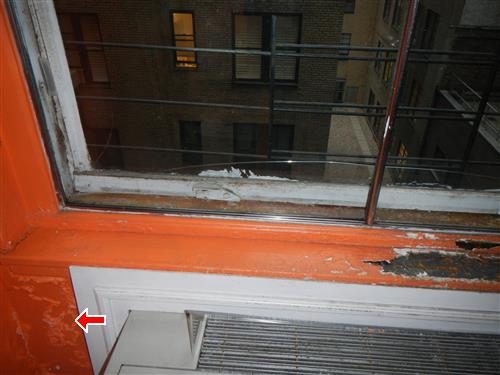
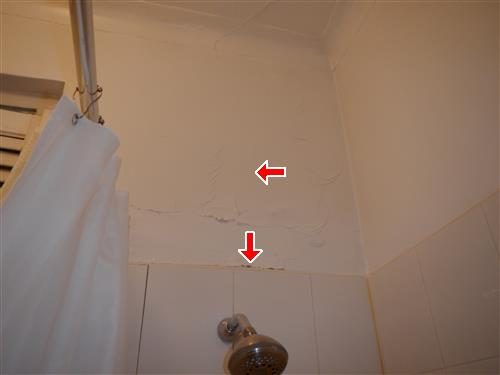
2018, an apartment building, about 89 years old: 4 items flagged: 3 kitchen; 1 exterior. As recorded: flat roof, flat roof walkingtile and asphalt/fiberglass, seen from: walked; attic: no storage, none found ventilation; brick full brick siding, chimney: brick; poured concrete foundation, rienforced concrete floor framing, supporting walls; hydronic heat on oil, hot water off the boiler; 60-amp circuit breakers (Federal Pacific), BX wiring, cast iron supply pipes, public water, ptac unit; double-hung, single pane and interior draft wndows windows, hardwood t&g, carpet and concrete in basement and stairwell floors, wood cabinets, ceramic tile counters. Flagged, in Lou’s words: “Apartment exterior windows are original with single pane glass, and interior draft windows are difficult to slide, very inefficient”; “Windows are drafty, leaking, very heavy and difficult to open and close”; “Vinyl tiles worn and cracked”; “Cabinets are in good condition”; “Ceramic counter tiles loose, cracked and chipped and mismatched”; “Water damage to wall below window”; “Most likely from leaving window open during rain over extended period as noted on rusted window sills”; “Area tested low on moisture meter scale”; “Master bedroom, exterior and interior metal window sills rusted”; “Obvious long term damage to metal sills”; “Window lower sash glass is cracked across entire width”; “No apartment number on entrance door”; “Entrance door lock sticks”; “For ease of everyday use”; “Entrance closet door does not close out of square, no striker for door knob”; “Wall is water damaged from leaking shower head pipe near window”; “Tiles are loose from ongoing water damage of shower head pipe”; “Safety item: Trip hazard marble saddle is too high not same level as floor tile”; “Plaster wall above shower head has extensive water damage”. Also noted: “Burner igniters worked but gas off at time of inspection”; “Electrical box in built out closet”; “Original window with Interior draft windows need replacement outlived usefulness”; “Pipe has been leaking for a long period to cause substantial damage”; “Only two outlets in each room”; “Safety Item: Sub panel is Federal Pacific Stab Lock Brand know as latent fire-hazard”; “Only in Master bedroom and living room”. On the day: 40°F, cloudy, snow flurries, wet ground; the house faces east. Not inspected that day: ceilings; floors; insulation in attic; insulation under floor system; plumbing water faucets; ranges/ovens/cooktops; roof structure and attic; trash compactor; visible electric wiring in attic. Not present in this house: basement windows; electric meter location; fence; food waste disposer; gas/lp firelogs and fireplaces; instant hot water; microwave cooking equipment; outlets & fixtures; pantry/closet doors; presence of installed cooling source in each room; presence of installed heat source in each room; roof ventilation; sump pump; vapor retarders; ventilation fans and thermostatic controls.
“Flagged” is HomeGauge’s Repair or Replace mark, not a verdict on the house. See a complete report.
Related: The Manhattan page · What an inspection costs · Schedule an inspection.