What the Harlem reports found
Lou’s four summaries flagged 22 items Repair or Replace, most for the exterior (9), kitchen (5) and roof, chimney and attic (5). Each report, newest first, as Lou wrote it up.
2023, an apartment house, about 18 years old: 6 items flagged: 3 kitchen; 2 exterior; 1 roof, chimney and attic. As recorded: flat roof, rubber membrane; full brick, stone and masonry siding; poured concrete foundation; 90-amp apartment only circuit breakers (Murray), BX wiring, cast iron supply pipes, public water, ptac. Flagged, in Lou’s words: “Water puddleing in two places on roof, as seen from stairwell window”; “Active roof leak on stairwell roof”; “Living room balcony door, bottom rubber seal is crushed”; “Left side door is difficult to open”; “Right side door lock does not work”; “Safety item: Raised concrete slab, near curb, at left front sidewalk tree”; “Right side stove, base cabinet draw hits pantry door frame”; “Right side stove, base cabinet draws, hit each other”; “Washer does not have stainless steel braided washer hoses”; “Washer does not have water alarm”. Also noted: “Socket for dryer loose and no cover”; “Socket for washer loose and no cover”; “Wall switch for island overhead lighting hot, at 106 degrees, can not take draw of three incandescent multi-bulb fixtures”; “Trash Chute two doors down hall from apartment”; “Flexible metal piping for dryer”; “No water leaks in storage room”; “Steel Q decking under reinforced concrete floor as seen in basement”; “Main water pressure pumps in basement water room”; “Gas fired water heaters typically last about 13 years on average”; “Main gas shut off valve in basement gas meter room”.
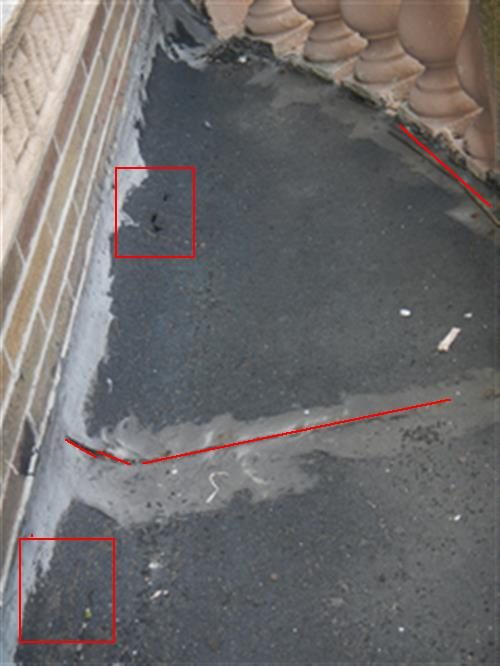
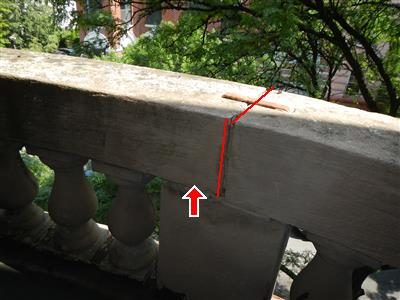
2016, a town home, about 106 years old: 7 items flagged: 3 roof, chimney and attic; 3 exterior; 1 heating and cooling. As recorded: flat roof, rubber membrane; full brick, masonry panel and stucco siding; brick and rock foundation; steam boiler heat on natural gas; 100-amp and (inadequate) circuit breakers (Cutler Hammer), BX wiring, copper supply pipes, public water. Flagged, in Lou’s words: “Roof covering on front balcony is cracked and worn out”; “Water pooling near downspout rear balcony and no debris screen present in downspout”; “Roofing cracked on main roof behind vent hood”; “Flat roofs will last longer if painted with silver roof pain”; “Flashing cracked under parapet wall copping right side”; “Copping joints open and one broken copping”; “Roof hatch roofing material worn out”; “Roof hatch too heavy and no lock hasp”; “Left rear chimney needs rain cap”; “Right rear chimney has stones pilled on top. If on blows off it will damage roofing”. Also noted: “Balcony top cement rail loose”; “Open gem box on left side of boiler”; “Main panel in basement right front near entrance”; “Electric meter in basement right front near entrance”.
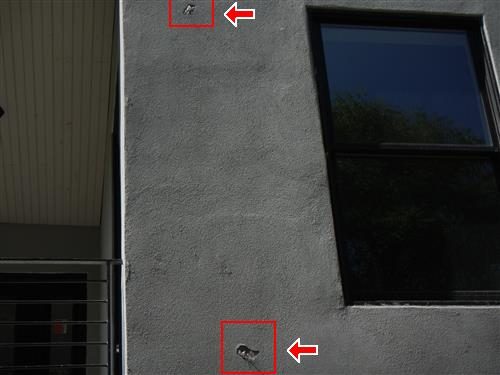
2016, a town home, about 105 years old: 6 items flagged: 3 exterior; 1 roof, chimney and attic; 1 kitchen. As recorded: flat roof, asphalt/fiberglass; masonry siding; rock foundation; forced air heat on gas; 80-amp apartment circuit breakers (Eaton), BX wiring, cast iron supply pipes, public water, air conditioner unit. Flagged, in Lou’s words: “Refrigerant bottles, wire loam, and wall caps left on small stairwell roof and main roof”; “Two holes in stucco rear wall 2nd floor left side”; “Roof door has draft at bottom. Stairwell will be cold in winter”; “Balcony doors do not have handles, only dead bolts”; “Front hall door, 2nd floor has no handles”; “No screens on any windows”; “Right side cabinets doors not hung”; “Right side microwave cabinet not level and not flush with wall”; “Wall cabinets do not match base cabinets”; “In front of island hole in base cabinet too large for outlet cover”. Also noted: “No emergency lighting in common hallway and stair well”; “Hand held shower head bracket mounted upside down”; “Toilet not bolted to floor and water line not connected”; “Apartment sub panel door latch missing”; “Fire sprinkler control panel has fault codes”; “Main panel in basement front room, electrical room”; “Register in living room will not open”; “Doors need to be undercut or return registers need to be in stalled in both bedroom doors”.
2015, a brownstone, about 105 years old, a multi-family building: 3 items flagged: 1 exterior; 1 kitchen; 1 heating and cooling. As recorded: flat roof, asphalt/fiberglass; full brick and masonry siding; forced air heat on gas; 125-amp circuit breakers (Eaton), BX wiring, air conditioner unit. Flagged, in Lou’s words: “Drain pipe vents need covers and wall repaired”; “Unable to gain access to yard at time of inspection to observe rear wall”; “Sink base cabinet has paint stain on front”; “Seam in counter over dishwasher is sloppy and done unprofessional”; “Old Gas fireplace is not operational only for show”; “Sloppy cement repair to brickwork of fireplace wall right side”; “Paint over splash on brickwork on left side of fireplace”. Also noted: “Gas off at time of inspection”; “Vents to inside kitchen. Separate kitchen exhaust on ceiling”; “Hardwood floor has gaps in end joints”; “Plumbing and electrical exposed over basement entrance”; “Apartment exit door handle screw missing”; “Window at top of stairwell is not fitted to opening 4" gap at top”; “Hallway will be cold with heavy draft in winter months”; “Sink waste pipe is leaking”; “Johnny bolts are not cut and covered on toilet”; “Light not working over shower”.
“Flagged” is HomeGauge’s Repair or Replace mark, not a verdict on the house. See a complete report.
Related: The Manhattan page · What an inspection costs · Schedule an inspection.