What the Manhattan Valley reports found
Lou’s two summaries flagged 6 items Repair or Replace, most for the kitchen (3), rooms (2) and roof, chimney and attic (1). Each report, newest first, as Lou wrote it up.
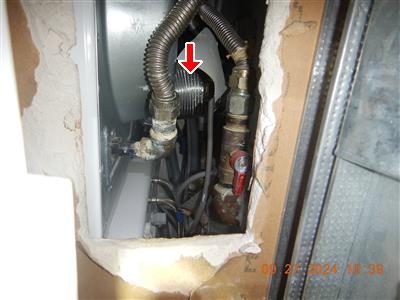
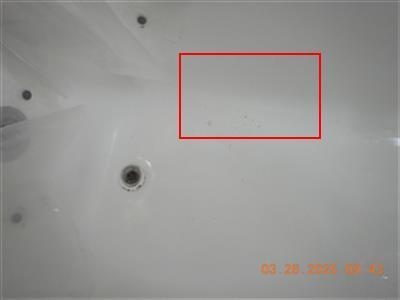
2025, about 102 years old, a condominium: 2 items flagged: 1 kitchen; 1 rooms. As recorded: brick full brick, stone and precast concrete siding; brick foundation, conrete piers and brick piers; hot water off the boiler; 60-amp circuit breakers (Siemens), ductile iron supply pipes, public water, window AC; double-hung and thermal/insulated windows, hardwood t&g, stone and ceramic tile floors, wood cabinets, marble counters. Flagged, in Lou’s words: “Laundry cabinet left side middle hinge broken”; “Marble counter tops should be sealed against food and oil stains”; “Safety Item: Paint peeling from wall behind radiators in bedrooms”; “Old paint can contain lead”. Also noted: “Not allowed entry to roof, repairs of facade in progress under local law 111”; “Many windows difficult to open and lock”; “Living room window center fogged lost it's seal”; “Dinning room window treatment cord is broken”; “Extra storage Bin in basement”; “Door to master BR striker hits edge of plate”; “Water will run off marble ledge onto floor when showering”; “Left side tub faucet handle is loose”; “Right side tub faucet handle screw cap missing”; “Diverter valve handle is loose”; “Porcelain finish is chipped in tub from faucet handle falling off”; “Right side plaster wall is cracked behind heat riser pipe”; “Paint is peeling above tile edge near shower head pipe”; “Twin pumps in basement pump water to twin tanks on roof”; “Main gas shut off in basement water room”; “Not allowed to remove sub panel cover”; “Too cold to operate window units”. On the day: 45°F, partly cloudy, damp ground, rain in the three days before; the house faces NE. Not inspected that day: automatic safety controls; burner; clothes dryer vent piping; columns or piers; cooling and air handler equipment; heating equipment; hot water systems, controls, chimneys, flues and vents; normal operating controls; roof coverings; service and grounding equipment, main overcurrent device, main and distribution panels; service entrance conductors; wall cladding, flashing and trim; walls. Not present in this house: chimneys, flues and vents; gas/lp firelogs and fireplaces; presence of installed cooling source in each room; range hood; solid fuel heating devices; trash compactor.
2024, an apartment house, about 109 years old: 4 items flagged: 2 kitchen; 1 roof, chimney and attic; 1 rooms. As recorded: flat roof, asphalt/fiberglass, seen from: walked roof; none found ventilation; brick full brick siding, chimney: brick; hot water off the boiler; 55-amp apartment only circuit breakers (Cutler Hammer), BX wiring, copper and cast iron supply pipes, public water; double-hung and thermal/insulated windows, hardwood t&g and ceramic tile floors, laminate cabinets, quartz counters. Flagged, in Lou’s words: “Skylight frames over stairwells need paint”; “Underside of skylights show signs of leaking, with paint peeling on ceiling of stairwells”; “Both right side burners do not ignite”; “Broan hood, over range, fan motor not working and fan adjustment switch does not move”; “Hardwood floor has open joints in dining room near left side wall”; “Safety Item: Window next to fire escape does not lock”. Also noted: “Safety Item: Stairwell roof doors do not lock”; “Possibly left open for local law 111 facade repairs”; “Metal fire escapes are in good condition and recently painted”; “Refrigerator temp was 50 degrees”; “Freezer temp was 21 degrees”; “Temp was lowered and refrigerator responded to lowering of temp”; “Peeling paint on old building contains lead”; “Paint peeling on ceiling in stairwell roof enclosures”; “Safety Item: All tub, porcelain water valve handles are loose”; “Safety Item: GFCI outlet is hot and neutral reversed and will not trip”; “Tub faucet valve screw caps with hot and cold letters, missing”; “Toilet is very close to sink”; “Rosenwack wood water tank on roof for water pressure”; “Pumps in basement pump room keep Rosenwack roof top tank full”; “Rubber hoses, in common area laundry room, can burst”; “Dryer access panel in small bedroom for gas shut off cock”; “Apartment gas shut off cock above gas meter in kitchen”; “Main gas shut off cock in basement gas meter room”; “Wire bushings are in place in main panel BX cable”; “Emergency safety lighting in common hallway outside apartment is working”. On the day: 72°F, cloudy, light rain, wet ground, rain in the three days before; the house faces east. Not inspected that day: automatic safety controls; burner; chimneys, flues and vents; columns or piers; heating equipment; hot water systems, controls, chimneys, flues and vents; insulation in attic; roof structure and attic; service entrance conductors; visible electric wiring in attic; wall cladding, flashing and trim; walls; windows. Not present in this house: cooling and air handler equipment; food waste disposer; gas/lp firelogs and fireplaces; microwave cooking equipment; pantry/closet doors; presence of installed cooling source in each room; solid fuel heating devices; ventilation fans and thermostatic controls.
“Flagged” is HomeGauge’s Repair or Replace mark, not a verdict on the house. See a complete report.
Related: The Manhattan page · What an inspection costs · Schedule an inspection.