What the Harding Park reports found
Lou’s two summaries flagged 22 items Repair or Replace, most for the exterior (8), roof, chimney and attic (8) and kitchen (2). Each report, newest first, as Lou wrote it up.
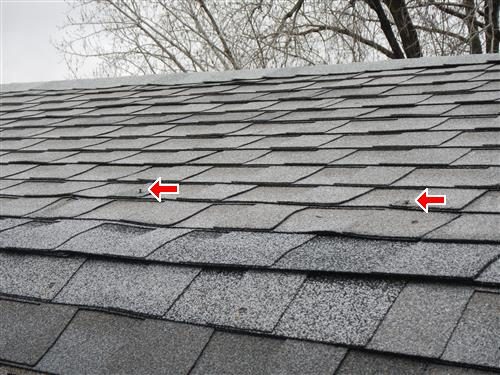
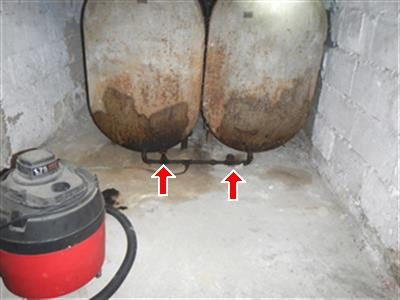
2019, a bungalow, about 75 years old: 14 items flagged: 6 exterior; 4 roof, chimney and attic; 2 kitchen. As recorded: gable and mansard roof, architectural and asphalt/fiberglass, seen from: ladder and walked; attic: no storage, soffit vents ventilation; clapboard faux stone, masonry and aluminum siding, chimney: brick; masonry block foundation, 2 x 6 and 6" x 8" main wood beam floor framing, wood piers and steel lally columns, crawlspace: crawled; hydronic heat on oil, hot water off the boiler; 30 amps fuses (Murray), BX wiring, copper supply pipes, public water; double-hung, single pane and storm windows windows, carpet and wood floors, wood cabinets, porcilain counters. Flagged, in Lou’s words: “Nail heads popping in left side main roof”; “Nail heads popping on right side, rear main roof”; “Nail heads popping on right side, rear facing main roof”; “Hole in chimney flashing left front corner”; “Chimney flue missing rain cap”; “Left side lower roof gutter fell off fascia”; “Right side lower roof gutter pulling away from fascia”; “Left side upper roof gutter, hanger straps broken, gutter sagging in middle and full of water”; “Rear facing leader pipe needs to be extended to lower gutter”; “Windows are original with storms”; “Most window sills have extreme water damage and mullions need paint and glazing compound”; “Rear facing windows sill have water damage and sashes need glazing compound”; “Front stoop railing left side is loose”; “Front stoop railing post holes need to be filled to top with anchoring cement”; “Rear elevated deck needs wooden spacer blocks between leger-boards, on either side if anchoring bolts”; “Rear deck, side hand railings are loose”; “Deck boards have water damage and pitted”; “Entire deck and railings need water proofing”; “Left side concrete block wall falling apart and entire wall needs coping stone”; “Left side front, upper fascia board is missing”. Also noted: “Floor is pitched to center”; “Basement entrance door frame is out of square”; “Safety item: Second floor rear bedroom paint peeling, possible lead paint”; “Only appears to be sub flooring”; “First floor out of level pitches to left”; “Second floor doors hit frame and door knobs missing or broken”; “Bathroom ceiling stained from water damage from clogged gutter and leader pipe right rear”; “Second floor stairs is pitched toward inside wall”; “Many doorways are out of square from settlement of main beam”; “Second floor hallway light fixture hanging”; “Main water pipe needs to be supported with copper hangers”; “Fuel oil fill pipe and vent right front exterior wall”; “Main gas shut off cock right front of front entrance exterior wall”; “Main fuel oils shut off valve located right front basement, below oil tanks”; “Safety item: All heating pipes are covered with asbestos like insulation”. On the day: 59°F, light rain, wet ground, rain in the three days before; the house faces west. Not inspected that day: insulation in attic; roof structure and attic; visible electric wiring in attic. Not present in this house: clothes dryer; clothes dryer vent piping; cooling and air handler equipment; dishwasher; exhaust fan; food waste disposer; gas/lp firelogs and fireplaces; instant hot water; insulation under floor system; microwave cooking equipment; normal operating controls; presence of installed cooling source in each room; range hood; solid fuel heating devices; trash compactor; vapor retarders; ventilation fans and thermostatic controls; windows.
2019, a ranch, about 74 years old, a two-family house: 8 items flagged: 4 roof, chimney and attic; 2 exterior; 1 plumbing. As recorded: hip roof, architectural and asphalt/fiberglass, seen from: walked, framed with 2 x 10 rafters; attic: scuttle hole in master bedroom, light in attic and attic hatch in master closet, fiberglass and r-19 or better insulation, soffit vents and turbines ventilation; clapboard vinyl siding, chimney: metal flue pipe; masonry block foundation, slab floor framing, supporting walls; forced air heat on gas, 50 gallon (2-3 people) gas (quick recovery) water heater (utility closets); (3) 100-amp service panel circuit breakers (Murray), BX wiring, copper supply pipes, public water, air conditioner unit; double-hung and thermal/insulated windows, hardwood t&g and tile floors, wood cabinets, granite counters. Flagged, in Lou’s words: “Right side PVC leader drain pipe is not connected to a drywell”; “Left side of front stoop PVC leader drain pipe not connected to drywell”; “Right side of front stoop PVC leader drain pipe not connected to drywell”; “Placed running hose in all PVC leader drain pipes, do not take water”; “Insulation placed between rafters with out insulation baffles and ridge vent, will shorten the life of the shingle”; “Concrete splashed on left side siding”; “Cement stucco is cracked left side and pulling away from foundation”; “Has hollow sound in many places”; “Chunks of concrete and debris left in yard”; “Whole house trap pit filled with mud and debris”; “Cover missing from intake on roof”. Also noted: “Roof is in new condition, with 30 year architectural shingle”; “Front stoop railing needs another post installed on the 5th step both sides”; “No gate installed on both sides of house”; “Not inspect gas off at time of inspection”; “Electric off at time of inspection on first floor and all breakers not installed in panels”; “Ceramic tile stained with glue”; “Wall cabinets are not hung with cabinet hanging screws and are not hung through rear stile”. On the day: 78°F, clear, damp ground, rain in the three days before; the house faces west. Not inspected that day: automatic safety controls; fuel storage and distribution systems; heating equipment; insulation under floor system; normal operating controls; operation of gfci; plumbing water faucets; plumbing water supply and distribution systems and fixtures; presence of installed heat source in each room. Not present in this house: basement windows; gas/lp firelogs and fireplaces; solid fuel heating devices; sump pump; vapor retarders; ventilation fans and thermostatic controls; windows.
“Flagged” is HomeGauge’s Repair or Replace mark, not a verdict on the house. See a complete report.
Related: All towns · What an inspection costs · Schedule an inspection.