What the Congers reports found
Lou’s two summaries flagged 24 items Repair or Replace, most for the roof, chimney and attic (8), exterior (6) and structure (4). Each report, newest first, as Lou wrote it up.
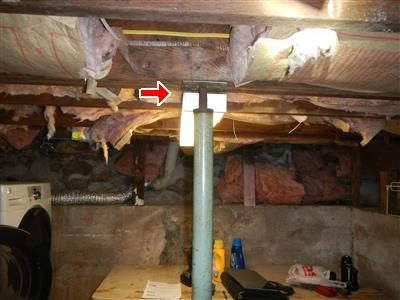
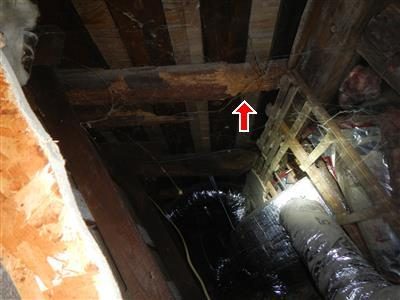
2015, an expanded ranch: 8 items flagged: 3 roof, chimney and attic; 2 structure; 1 exterior. As recorded: gable roof, 3-tab fiberglass, seen from: ground, framed with 2 x 6 rafters and 2 x 8 rafters; attic: attic hatch, fiberglass, below and r-19 insulation, gable vents and soffit vents ventilation; clapboard vinyl siding, chimney: brick; poured concrete and rock foundation, 2 x 8 floor framing, steel screw jacks, crawlspace: no access; insulated ducts, (2) 40 gallon electric water heater (basement and washer dryer room); 200-amp circuit breakers (Cutler Hammer), romex and conduit wiring, copper supply pipes, public water, air conditioner unit; casement and double-hung windows, carpet and vinyl floors, wood cabinets, granite counters. Flagged, in Lou’s words: “Ice damming at all gutters. Small gutter section left side end cap loose, at rear tool shed entrance”; “Ice damming so heavy that cantilevered side porch roof section, over basement entrance is flexing downward”; “Ice damming can lead to roof damage”; “No gutter on front roof of garage”; “Small attic section over bedroom next to garage, loose old roof sections, window screens and household items being stored”; “Knee wall attic area old section roof rafters are spaced 30" apart and show extensive termite damage, these are serious structural issues”; “In order for termites to infiltrate into roof structure they have had to damage wall sections also”; “Basement door leaking water into basement”; “Front door is out of square and is not full height”; “Front door has not storm door”; “Front door lock is not operational”; “Rear door off kitchen has not storm”; “Side storm door damaged and hinge loose and not sealing at weather stripping”; “Dining room storm door has no glass”; “Left side automatic door opener is disconnected”; “Right side door is manual”; “Living room right side window crank handles are stripped”; “Window sills need a coat of polyurethane”; “Door to living room handle loose”; “Tile and stone curb missing from shower area entrance”. Also noted: “Flower pot hanging bracket is loose, at right side of front entrance”; “Snow pilled high against garage doors and front wall. This can cause water damage as snow melts”; “Large Hardwood Tree at corner of garage”; “Garage being used for storage filled with household items. Difficult to view walls”; “Garage being used for storage filled with household items. Difficult to view floor”; “Main support beam (3- 2"x12") sagging on right side”; “Out side to right of front entrance near gas meter”; “Caution breaker may not trip correctly, main panel in basement has water damage to main 200 amp breaker and left side #'s 1,2,4,6 breakers”; “Generator plug wired to sub panel in garage. This is not wired properly, safety circuit missing”; “Basement entrance light is not wired properly”; “Sub panels in living room behind wood panel, in bedroom next to garage, in garage, wall attached to bedroom”; “Duct pinched in attic over bedroom where air handler is located”; “Open flue pipe in basement”. On the day: 35°F, clear, frozen ground, no rain in the three days before; the house faces south. Not inspected that day: garage floor; garage walls; plumbing water faucets. Not present in this house: food waste disposer; gas/lp firelogs and fireplaces; trash compactor; vapor retarders; ventilation fans and thermostatic controls; windows.
2014, a high ranch, about 47 years old: 16 items flagged: 5 roof, chimney and attic; 5 exterior; 2 garage. As recorded: gable roof, 3-tab fiberglass, seen from: walked roof, framed with 2 x 8 rafters; attic: pull down stairs, r-19 insulation, gable vents, soffit vents and thermostatically controlled fan ventilation; brick full brick and asbestos slate shingle siding, chimney: brick; poured concrete foundation, 2 x 8 floor framing, supporting walls, crawlspace: crawled; insulated ducts, 50 gallon (2-3 people) gas (quick recovery) water heater (basement and utility closet); 100-amp circuit breakers (General Electric), romex wiring, copper supply pipes, public water, air conditioner unit; double-hung windows, hardwood t&g and carpet floors, wood cabinets, granite counters. Flagged, in Lou’s words: “North side and south side roof sections are missing shingles. South side more extensive. Roof can be repaired now but”; “Tree branches hitting south west section of roof”; “Flashing around chimney at roof line is open at brick work”; “Chimney is in need of pointing some joints are open and flashing not tucked into joints. Some bricks are deteriorated and in need of replacement”; “Leader at southwest corner is disconnected at elbow”; “See example picture of insulation baffles”; “Asbestos concrete shingle on east side of house have buckled from settlement”; “One shingle on west side loose”; “At rear steps dryer vent cover is missing”; “Shrubs rubbing against sidings”; “Door frame to mud room next to garage is dry rotted at bottom”; “Raised deck boards and steps have sun, water damage and nails are popping”; “Support headers are not lag bolted together and are separating”; “Asphalt driveway has many spider cracks”; “Newly installed stone retaining walls do not have weep holes to ease hydraulic pressure behind wall”; “See picture of weep holes”; “Soffits are in need of paint”; “Vehicle door wood frame dry rotted at bottom on both sides”; “Door does not have auto-reverse safety or electric eye”; “Ceramic floor cracked in front of refrigerator”. Also noted: “Old water damage on basement bedroom wall. No dampness on moisture meter”; “Tile loose at bottom around toilet. Wood behind tile is dry rotted and possible termite damaged”; “Outlet is loose and not GFCI protected”; “Wall tile in and around tub area are loose steel brackets holding tub to studs are rust jacking the tile out”. On the day: 43°F, clear, damp ground, rain in the three days before; the house faces north. Not present in this house: gas/lp firelogs and fireplaces; range hood; sump pump; windows.
“Flagged” is HomeGauge’s Repair or Replace mark, not a verdict on the house. See a complete report.
Related: All towns · What an inspection costs · Schedule an inspection.